01
E3 ligases in neurodevelopmental disorders
How HECT-type ligases such as UBE3C, UBE3B, HACE1 and WWP1/2 shape progenitor behavior, neuronal polarity and cortical lamination, and how patient variants affect these developmental milestones.
Calgary · Berlin
We study how ubiquitin signaling, ubiquitin-like modifiers and protein synthesis shape neuronal identity and development in the cerebral cortex, and how their failure causes pediatric neurodevelopmental disease.
New preprint · bioRxiv 2025
An autism-associated ubiquitin ligase controls m6A RNA methylation in cortical progenitors. Loss of UBE3C raises m6A, narrows isoform diversity and stalls progenitor cell cycle exit, and a METTL3 inhibitor rescues the defect in vivo.
Building a functional cortex requires the right cells, in the right place, at the right time. We ask how post-transcriptional regulation, from translation to ubiquitination, generates cellular diversity and organizes neurodevelopmental milestones. We combine in utero electroporation, genetic replacement in vivo and human brain organoids with biochemistry and proteomics.
01
How HECT-type ligases such as UBE3C, UBE3B, HACE1 and WWP1/2 shape progenitor behavior, neuronal polarity and cortical lamination, and how patient variants affect these developmental milestones.
02
UFM1 conjugation as a regulator of protein homeostasis in neural stem cells, mapped through nascent proteome labelling and mass spectrometry in the context of developmental neuro-phenotypes.
03
Disease variants can trap cortical progenitors in states that derail neurogenesis. We test whether small molecules acting on RNA modification and protein turnover return these cells to a healthy developmental path.
04
A developmental atlas of protein ubiquitylation in the cortex. Most changes cluster in the window when neuronal fate is specified. Which cellular signaling pathways are affected, and can the system be engineered and extended to the development of any brain cell type?
05
Core organisers of neurotransmitter release may act in neural progenitors long before the first synapse forms. We ask what these unexplored molecular functions are and how they shape the developing cortex. Led by Dr. Anisha Dayaram, in collaboration with the Rosenmund Lab, Charité.
06
How the gut-brain axis operates while the brain is still forming. We ask which signals from the maternal microbiome reach the embryo and how they shape cortical development. In collaboration with the Ronchi Lab.
HACE1
Linking the mechanism of the HECT ligase HACE1, resolved at the structural level, to its role in building the cerebral cortex and to the neurodevelopmental disorder caused by its loss.
Lorenz Lab
MPI for Multidisciplinary Sciences, Göttingen
m6A
Base-resolution maps of N6-methyladenosine across cortical development and disease, to find the methylated transcripts that orchestrate progenitor behavior.
Leidel Lab
University of Bern
Nucleolus
How nucleolar transformation and RNA polymerase I activity pattern the dual transcriptomes that set deep-layer and upper-layer neuron identity.
Zagrebin et al., bioRxiv 2026 · preprint
Kraushar Lab
MPI for Molecular Genetics, Berlin
Identity
Rethinking identity in the developing nervous system. Transcript and protein levels routinely diverge in neural development, and that divergence is itself a source of cell diversity. Transcription sets the blueprint of fate potential; translation, turnover and modification select and execute identity.
Opinion · Trends Open, in revision
Konstantinides Lab
Institut Jacques Monod, Paris
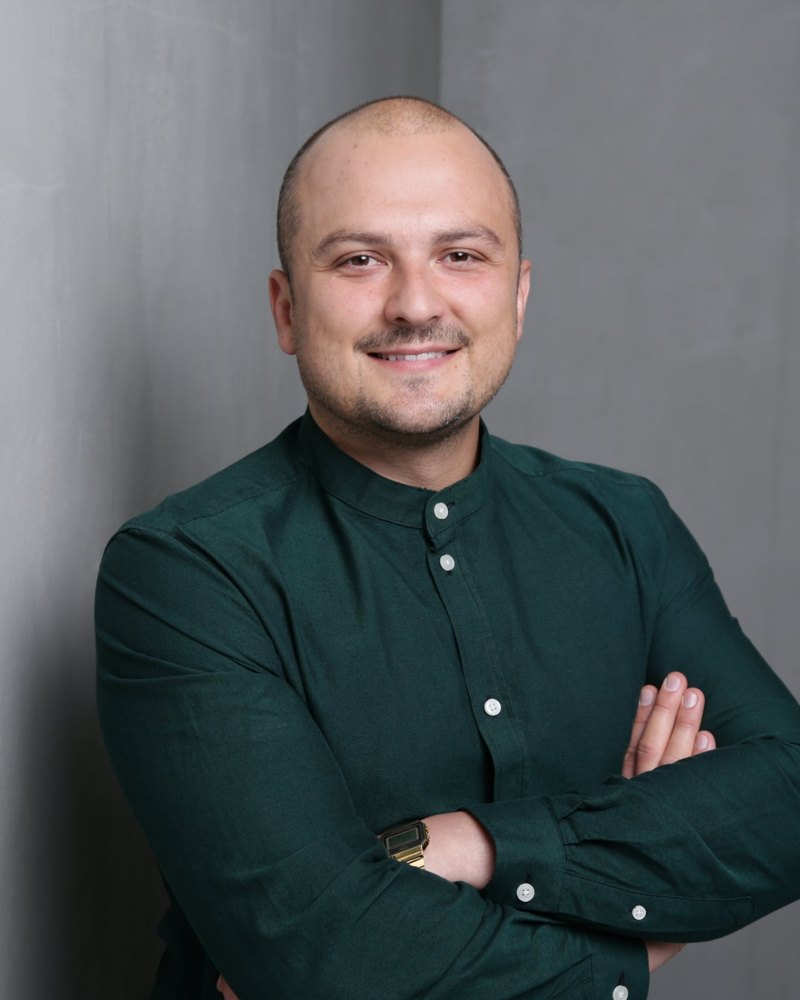
Principal investigator
Associate Professor, Biochemistry and Molecular Biology, University of Calgary · Canada Research Chair (Tier 2) in Childhood Neurodevelopment · Group Leader, Charité Berlin · Guest Scientist, MPI for Molecular Genetics · FENS-Kavli Scholar
Mats trained as a biotechnology engineer in Warsaw, completed his PhD at the Max Planck Institute for Experimental Medicine in Göttingen, and built his group at the Charité in Berlin before opening the Calgary lab in 2026. He is a full member of the Hotchkiss Brain Institute, the Alberta Children’s Hospital Research Institute and the Mathison Centre. In 2024 the Tagesspiegel named him among the 100 most important minds of Berlin science. He teaches human anatomy and embryology.
Cumming School of Medicine · ACHRI · HBI
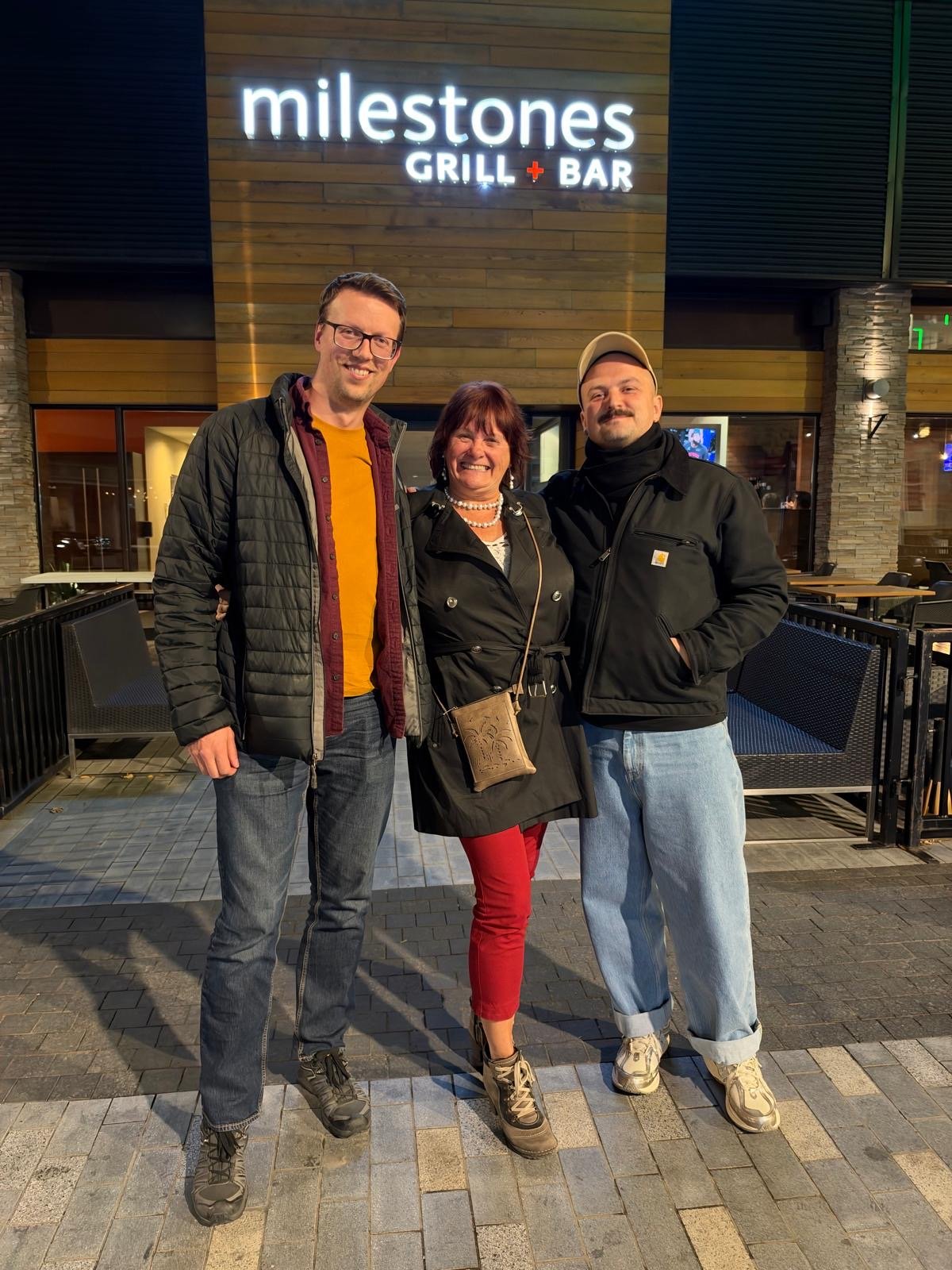
Research coordinator
HACE1 and TRIP12 in the developing brain.
Technician
Keeps the lab running, from experiments to everyday logistics.
Charité Universitätsmedizin Berlin
Proteostasis Group, CharitéTeam page
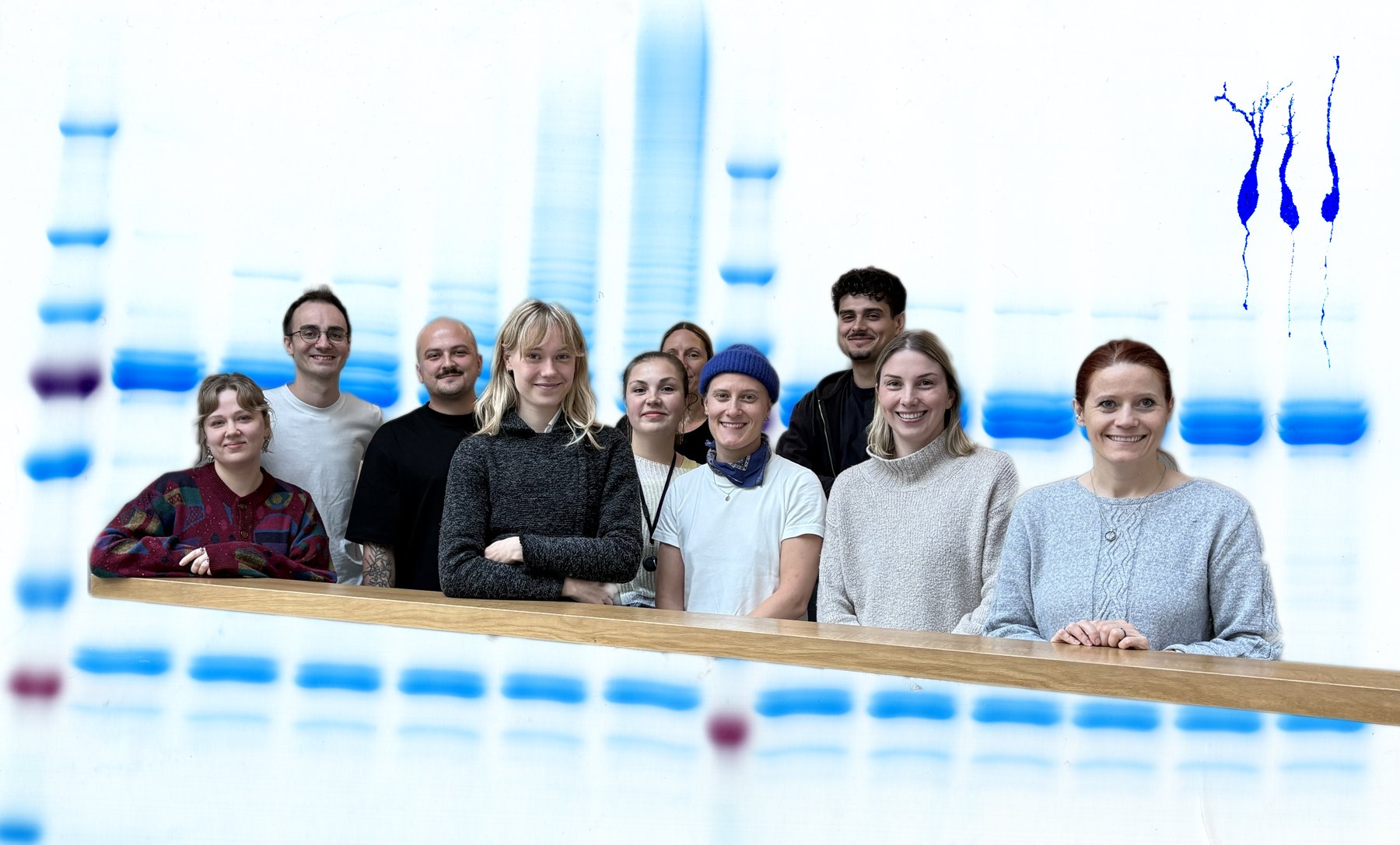
Postdoctoral fellow
Cell type-specific proteomes in the developing neocortex.
Postdoctoral fellow, teaching coordination
The influence of the maternal microbiome on embryonic corticogenesis.
Technician
UBE3C and m6A in the developing cortex.
PhD candidate
Protein UFMylation in cortical cell diversification.
PhD candidate
Post-translational mechanisms of cellular diversification.
MD-PhD candidate
Molecular executors of UFMylation in health and disease.
MD-PhD candidate
Microglial estrogen signaling in hippocampal synapse maintenance.
Research assistant
Modulating proteasomal activity in the developing and aging brain.
Dr. Katherine J. Cuthill, PhD 2026 · Elias Thürigen, MD-PhD 2025 · Andrea Salazar-Lázaro, MSc 2017 · Dr. Alexandra Rusanova, visiting scientist 2017–2020 · Dr. Olga Britanova, visiting scientist 2022
Featured paper · Nature Communications 2024
How fast a progenitor makes protein helps decide which neuron it becomes. Borisova E, ... Kraushar ML, Tarabykin V, Ambrozkiewicz MC.
Read the paper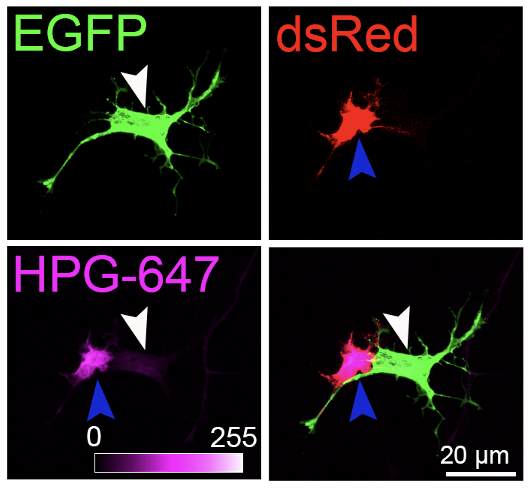
2026
Encephalopathy-linked UFM1 variants impede neuronal protein translation, development, and function
Perdigão C, ... Ambrozkiewicz MC, Rhee J, Brose N, Tirard M. EMBO Molecular Medicine. doi
2026
Nucleolus transformation and Pol1 activity pattern dual transcriptomes of neuronal subtype identity
Zagrebin D, ... Ambrozkiewicz MC, ... Kraushar ML. bioRxiv, in revision. doi
2025
UBE3C links ubiquitin signaling to epitranscriptomic control of cortical neurogenesis
Borisova E, Cuthill KJ, Dannenberg R, ... Ambrozkiewicz MC. bioRxiv, in revision at Molecular Psychiatry. doi
2025
Understanding ubiquitination in neurodevelopment by integrating insights across space and time
Ambrozkiewicz MC, Lorenz S. Nature Structural & Molecular Biology. doi
2022
A critical period of translational control during brain development at codon resolution
Harnett D*, Ambrozkiewicz MC*, ... Kraushar ML. Nature Structural & Molecular Biology. doi
2021
The murine ortholog of Kaufman oculocerebrofacial syndrome protein Ube3b regulates synapse number by ubiquitinating Ppp3cc
Ambrozkiewicz MC, Borisova E, ... Kawabe H. Molecular Psychiatry. doi
2018
Polarity acquisition in cortical neurons is driven by synergistic action of Sox9-regulated Wwp1 and Wwp2 E3 ubiquitin ligases and intronic miR-140
Ambrozkiewicz MC, Schwark M, ... Kawabe H. Neuron. doi
* equal contribution
2027
“Making and Breaking Proteins in the Developing Brain” comes to Vancouver, with Mats, Guang Yang, Mike Buszczak and Matt Kraushar.
2027
Mats co-chairs “Molecular Tempo in the Developing and Aging Brain” at the German Neuroscience Society meeting in Göttingen, with Aleksandra Pekowska, Tom McWilliams, Matt Kraushar and Magdalena Götz.
2026
Mats joins the University of Calgary as Associate Professor and Tier 2 Canada Research Chair in Childhood Neurodevelopment.
2026
Katie defended her PhD on UBE3C in the developing cortex and Felizia completed her MSc.
Oct 2026
Mats spoke at the GAUSS/GGNB Career Impulse Session in Göttingen about a scientific journey across borders.
2026
Co-organised “Resilience for Neuroscience in Times of Uncertainty”, a FENS Forum satellite.
2027
ASN symposium S05, chair and speaker
Vancouver, Canada
2027
NWG symposium S26 on molecular tempo, co-chair and speaker
Göttingen, Germany
2026
EMBO Workshop: Ubiquitin and Ubiquitin-like Proteins in Health and Disease, speaker
Monopoli, Italy
2026
1st International Conference on Neurogenesis and Repair, speaker
Toronto, Canada
2026
CAN Satellite: Stem Cells and Brain Development, speaker
Montreal, Canada
Science is a community. We invest in the networks that make neuroscience more connected, more open and more inclusive.
Scholar since 2023 · Board member since 2026
A network of 30 early- to mid-career neuroscientists across Europe, built by FENS and the Kavli Foundation for exchange, mentoring and science advocacy. On the board, Mats leads scientific communication and exchanges, including the FKNE podcast and the Figure 1 project, and serves as liaison to the ALBA Network.
Working group member · Declaration signee
The global network for equity and diversity in brain sciences, founded with FENS, IBRO and SfN. Mats works in its Gender and Sexual Diversity working group and sits on the ALBA-FKNE Diversity Prize committee.
Human anatomy dissection, neuroanatomy and histology for medical students at the Charité, plus “How to build a brain” and a soft-skills course suite for PhD students, both designed from scratch.
Guest on the Neuroscience and Beyond podcast, speaker at Soapbox Science at Berlin Science Week, and advocate for neuroscience at the European Parliament.
Exhibiting artist at Edge: Blurring the Borders between Arts and Science and co-chair of “Art of the Mind” at FENS 2024.
Our work in Calgary and Berlin is made possible by





Micrographs and drawings from the bench.
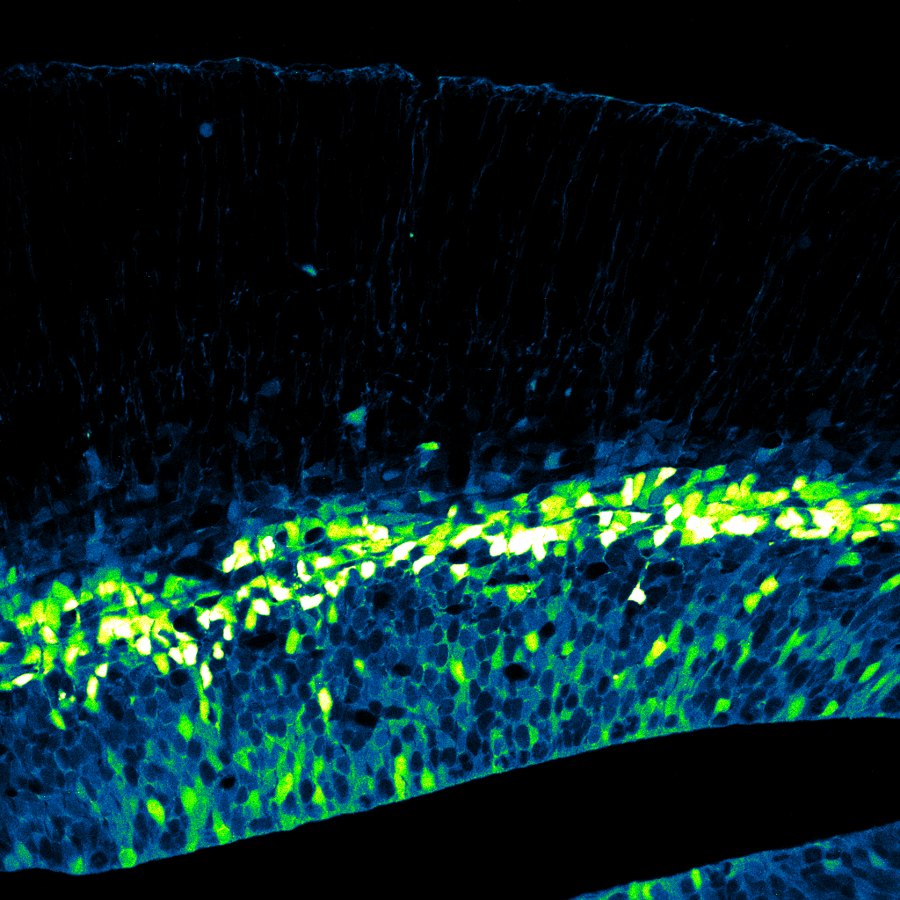
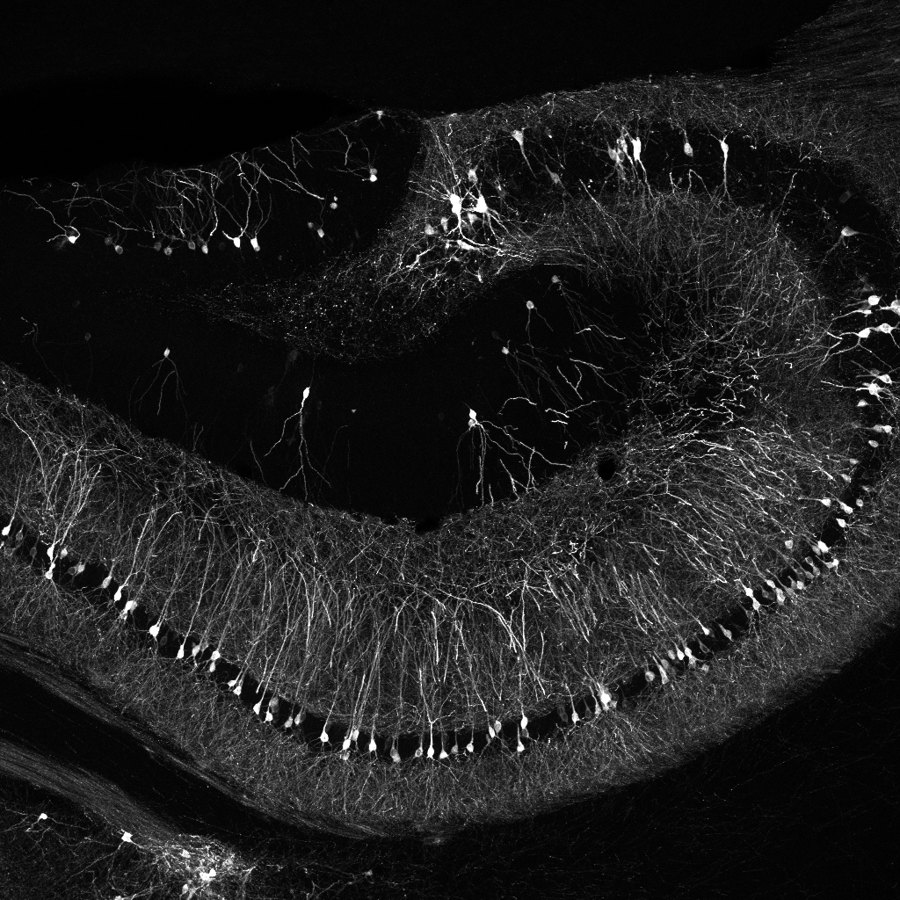
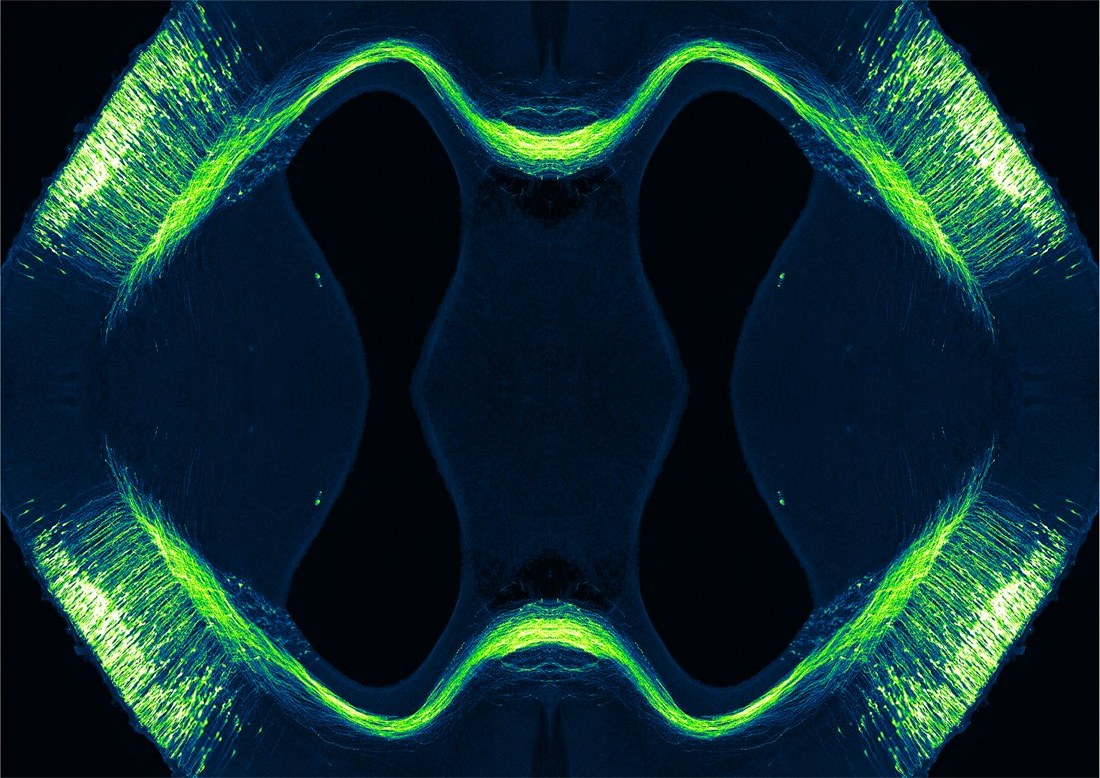
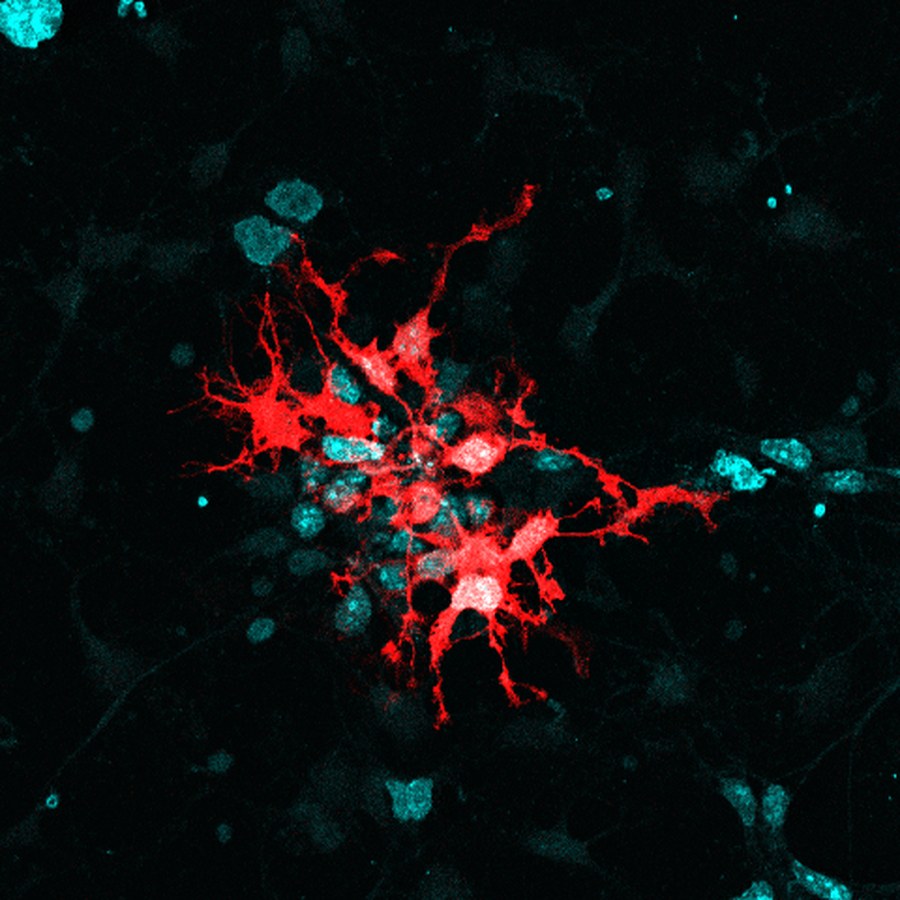
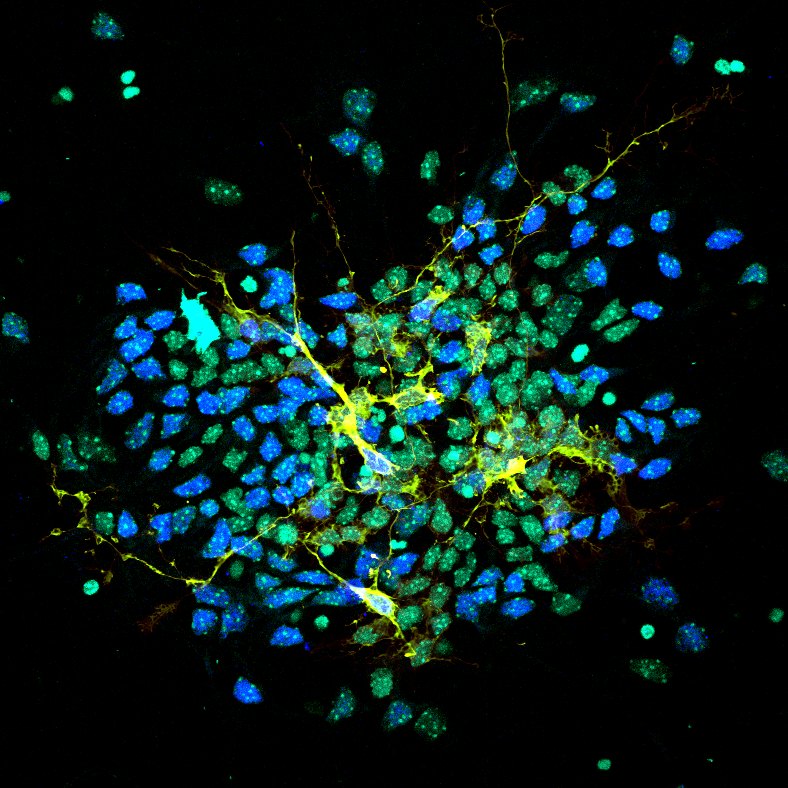
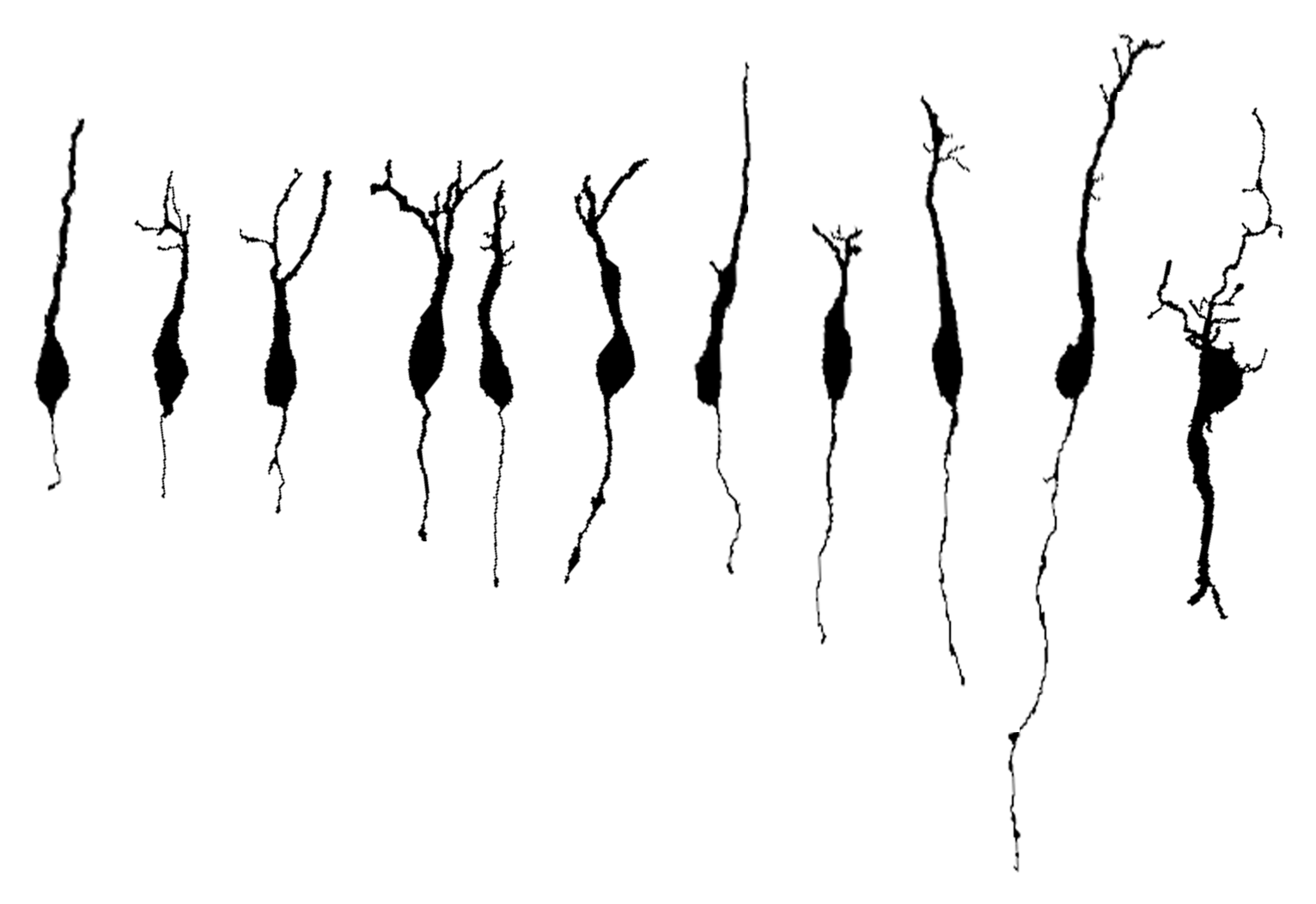
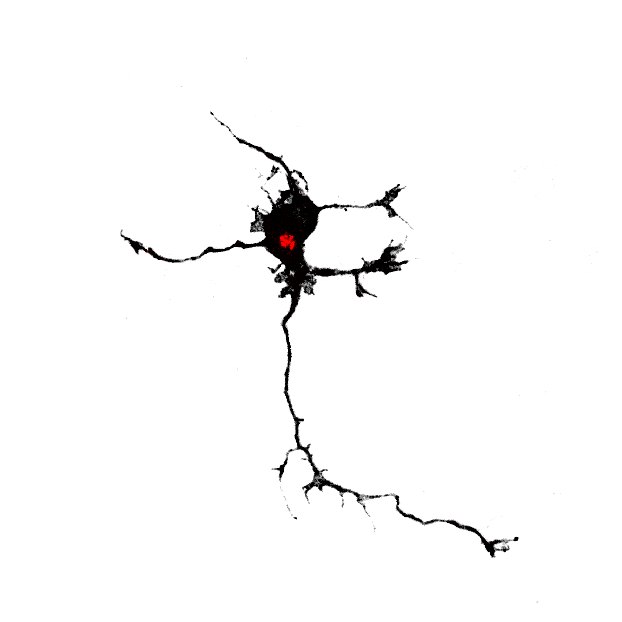
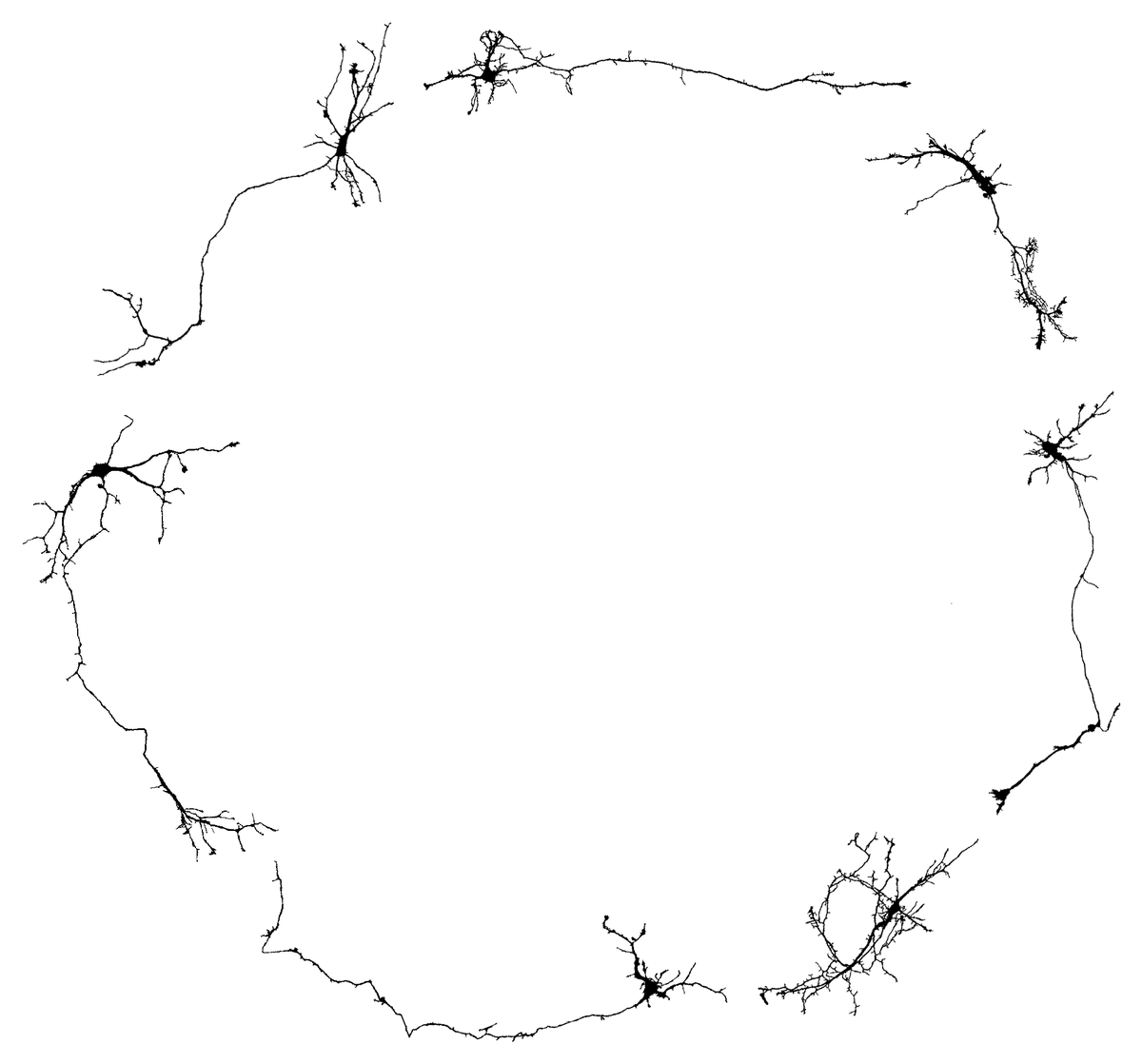
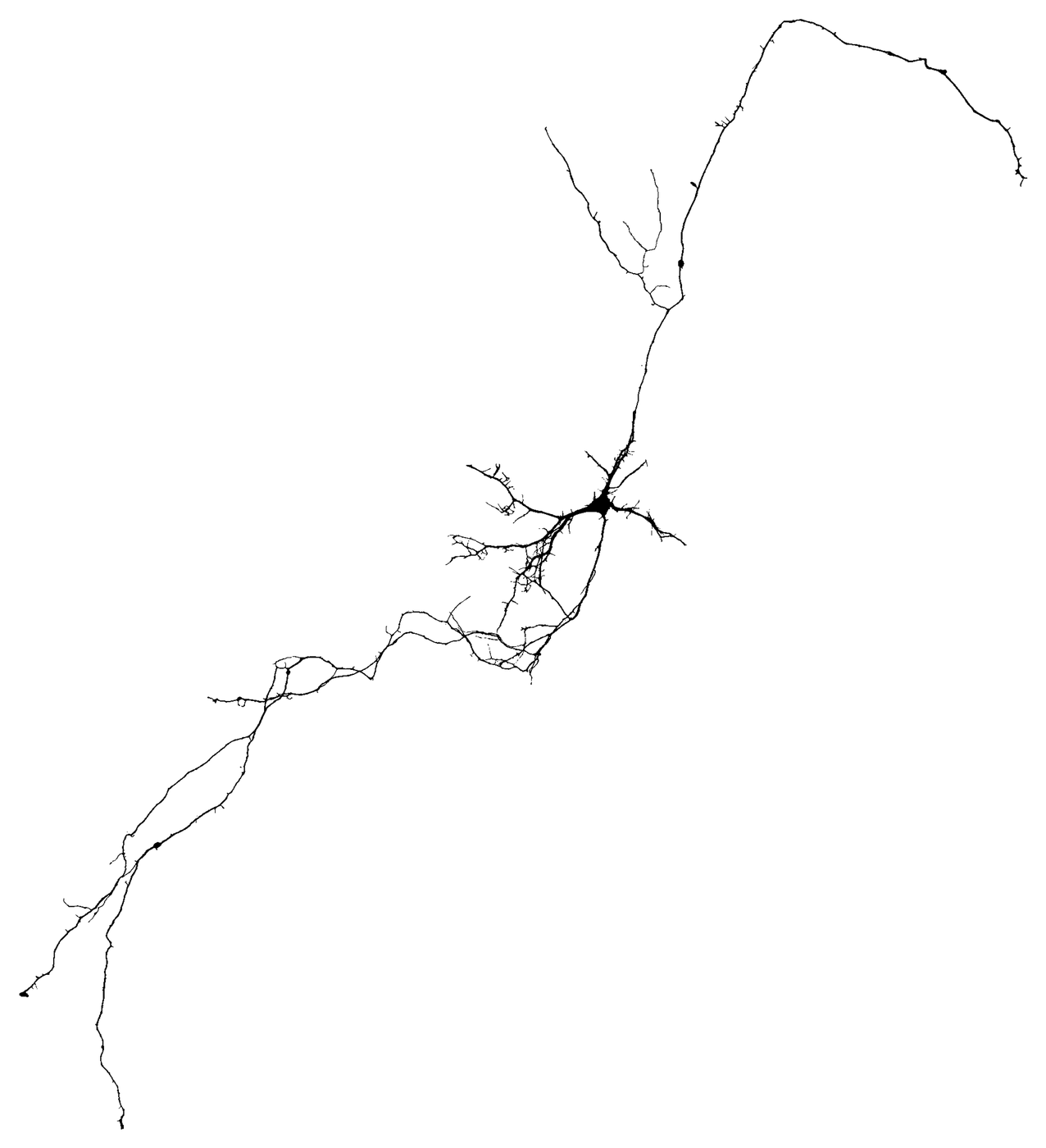
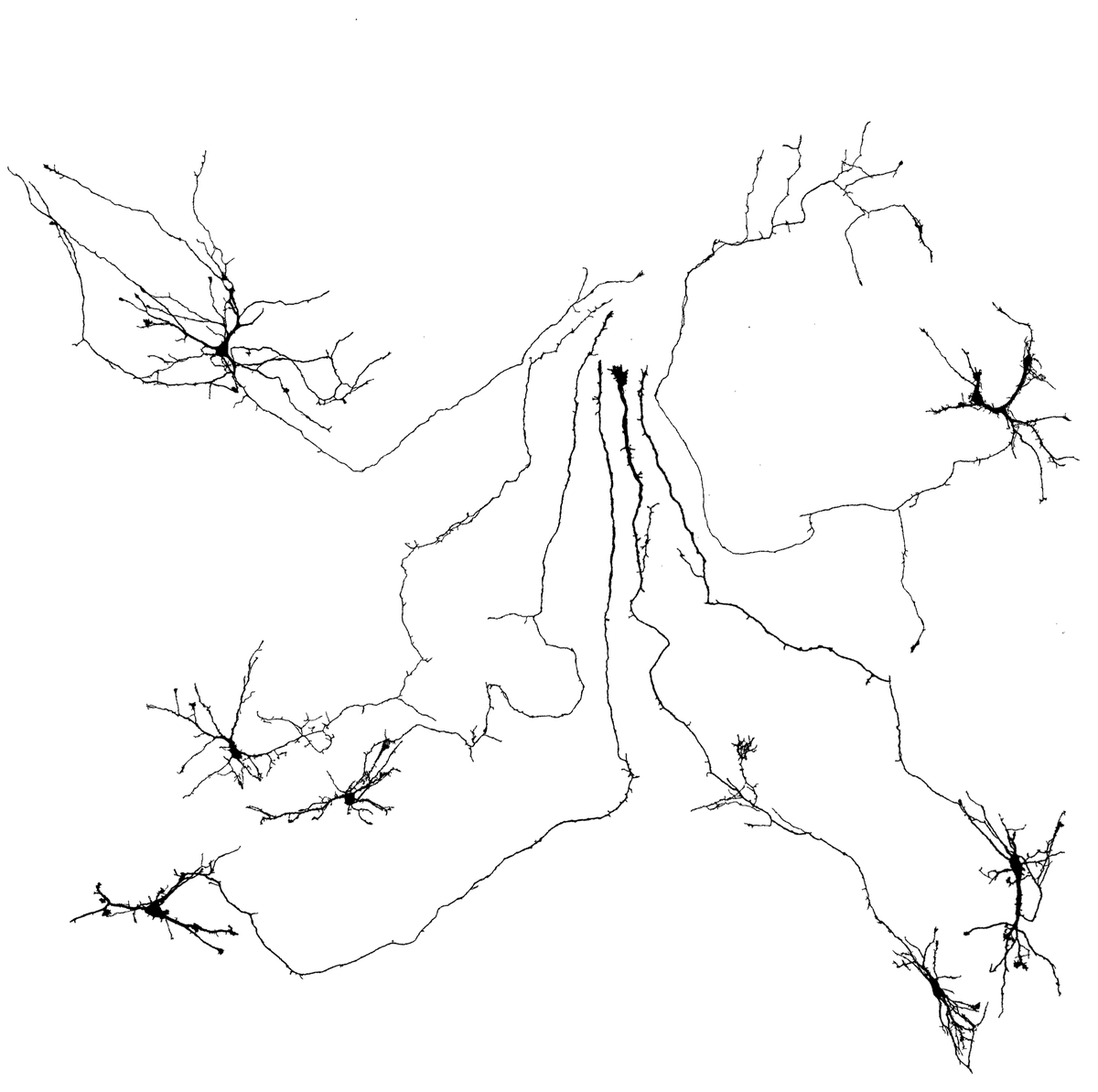
All images and drawings © Mateusz C. Ambrozkiewicz.
Reproduction or reuse without written permission is not allowed.
We welcome motivated postdocs, technicians and research associates in Calgary who are excited about protein research and neurodevelopment. Write to us with a short note on your interests and your CV.